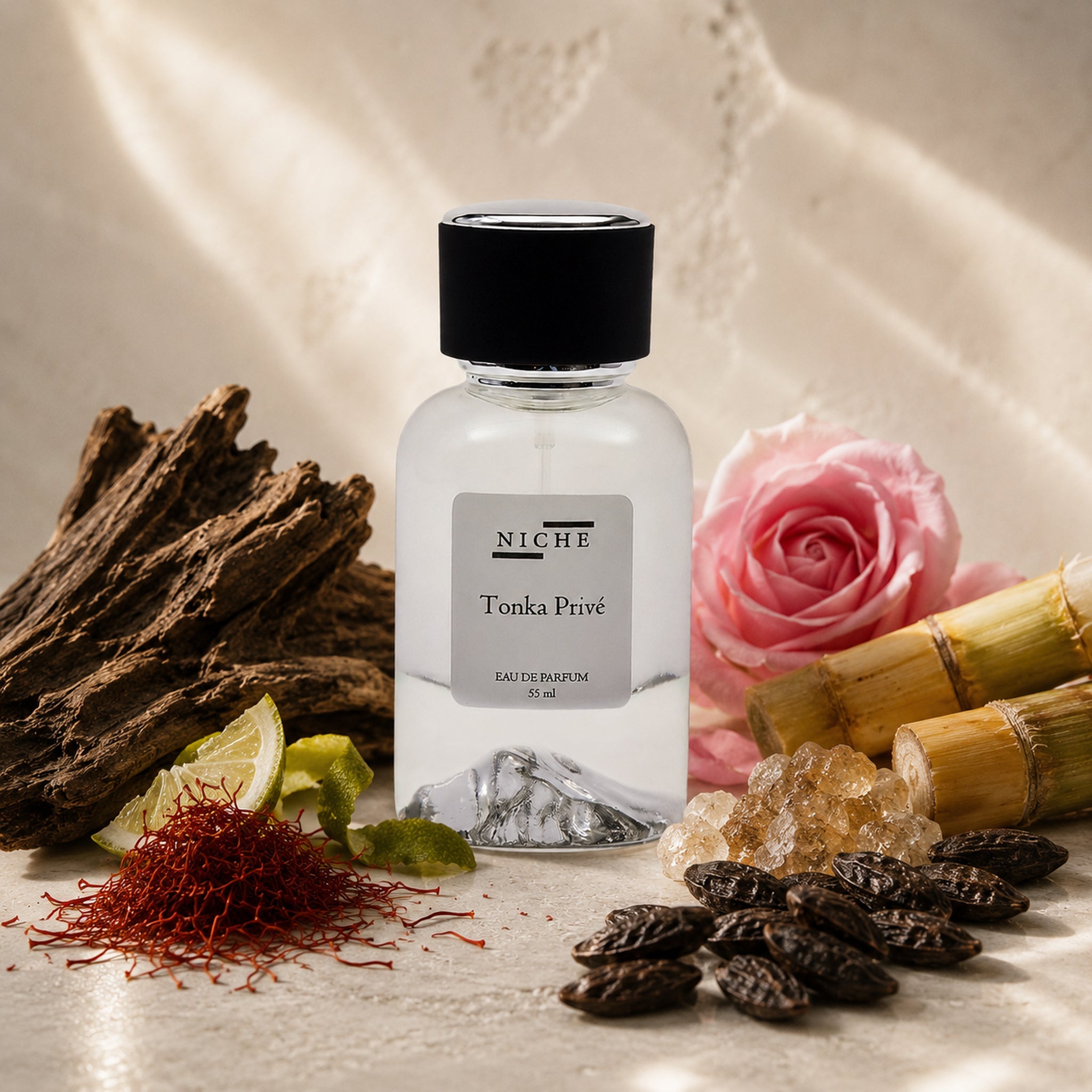
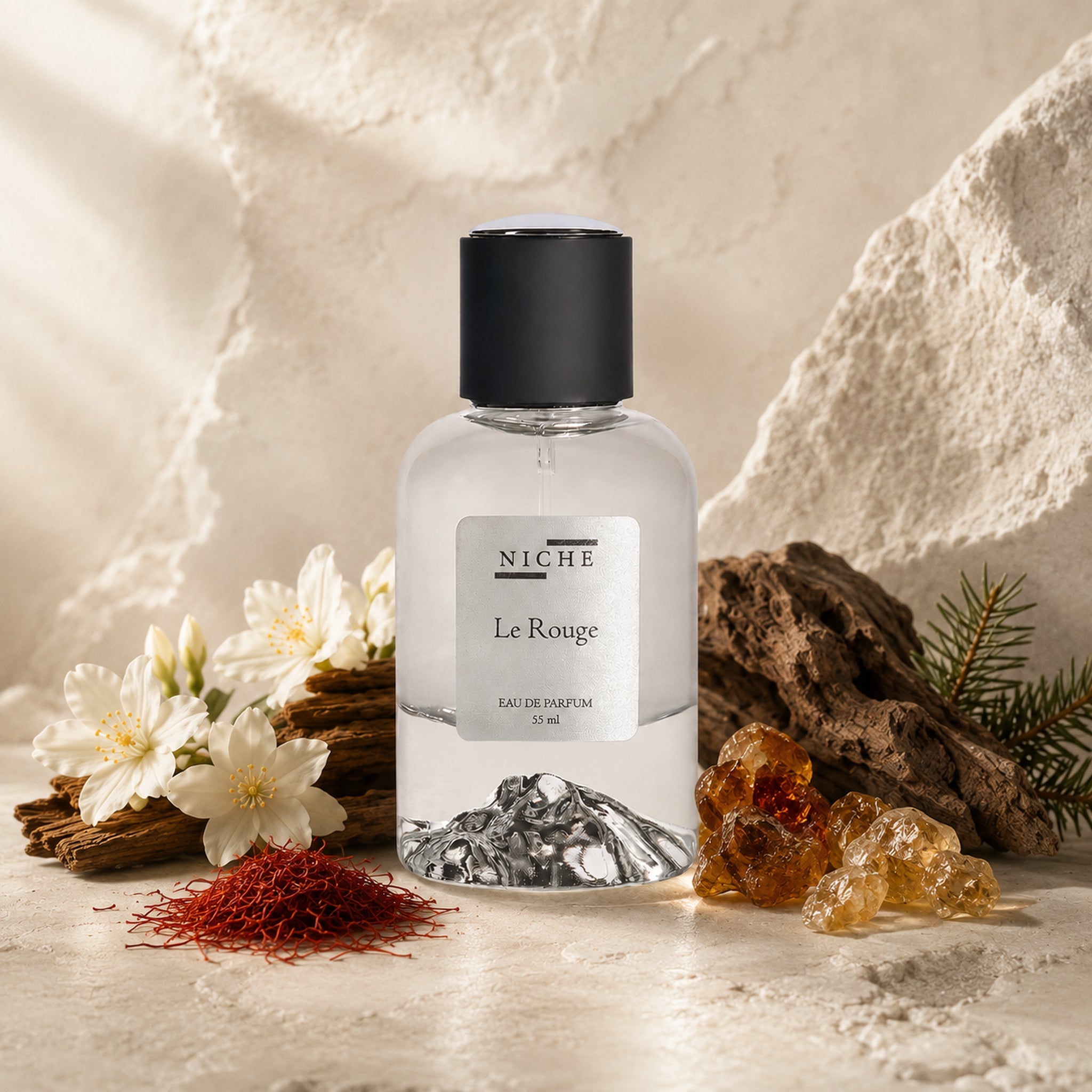
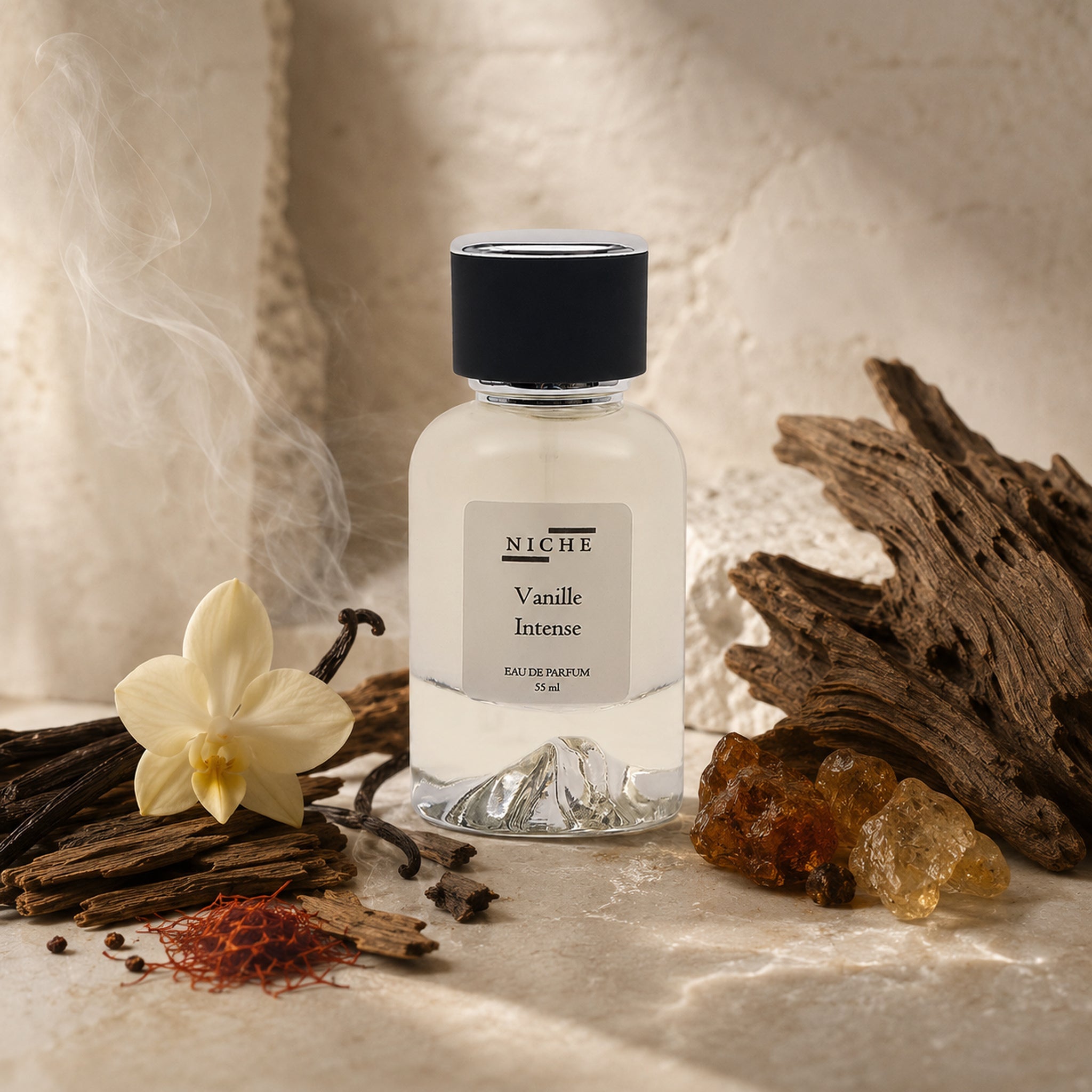
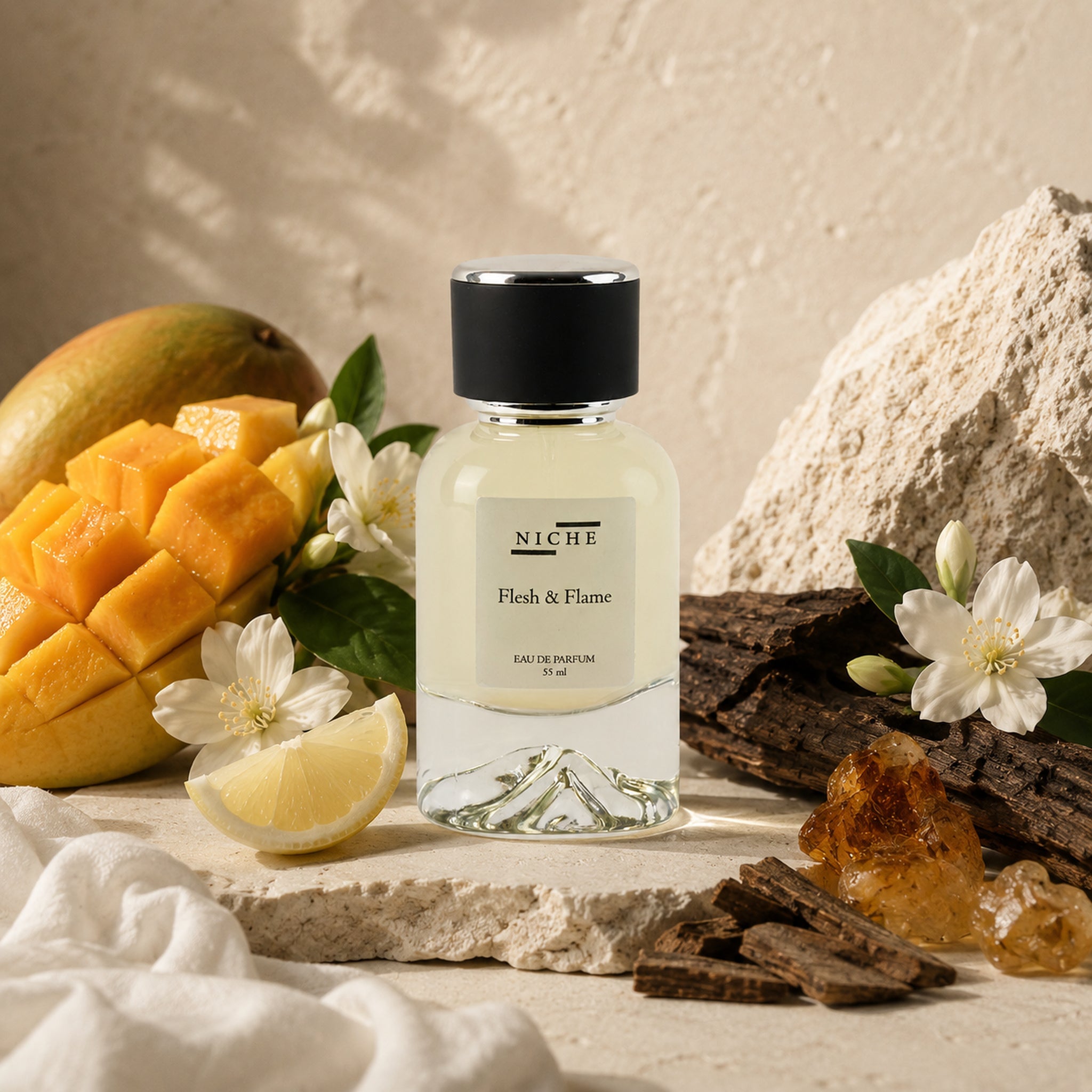


Niche Essences
Luxury DNA — Fragrance Set for HerLE 2,257.00LE 2,670.00

Featured collection
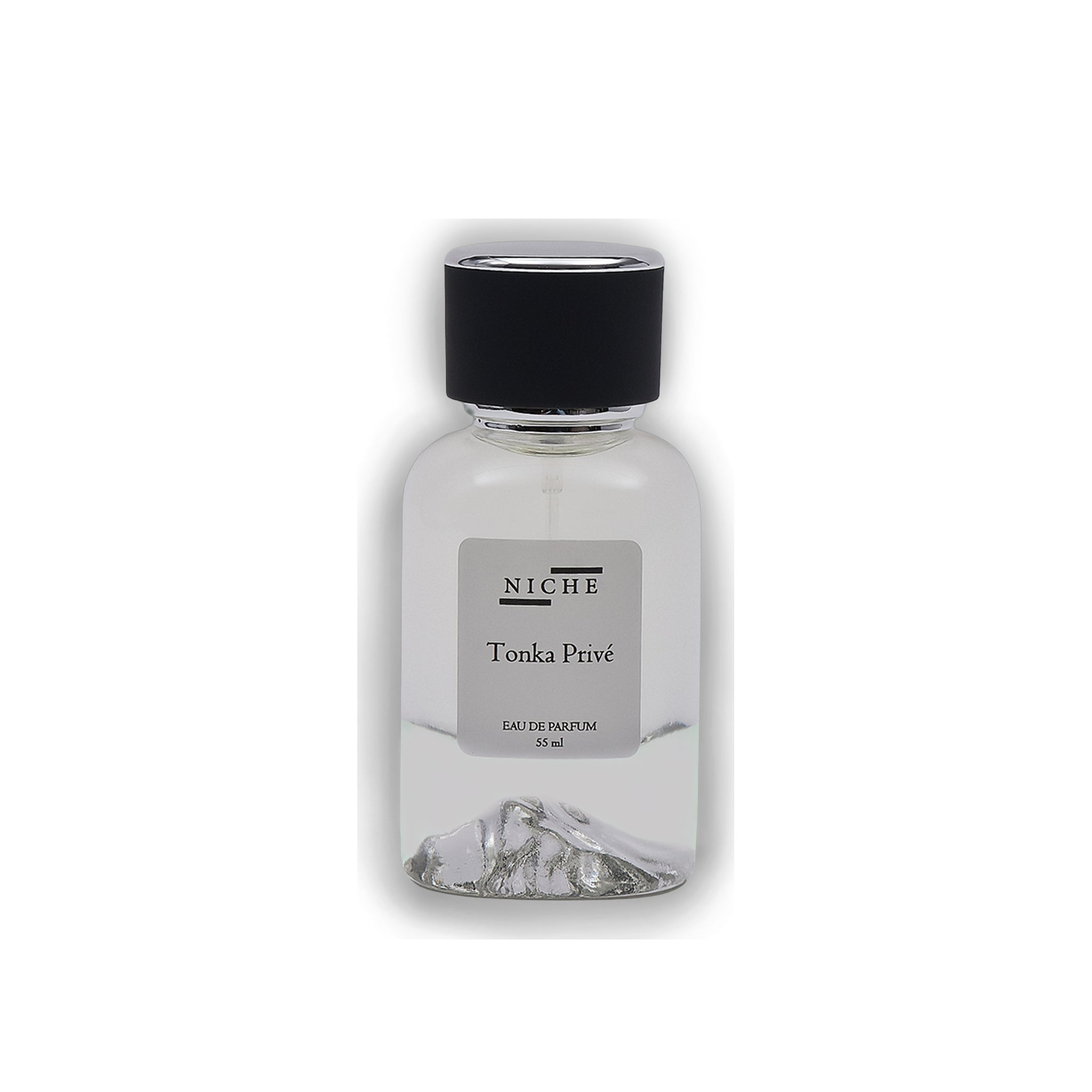
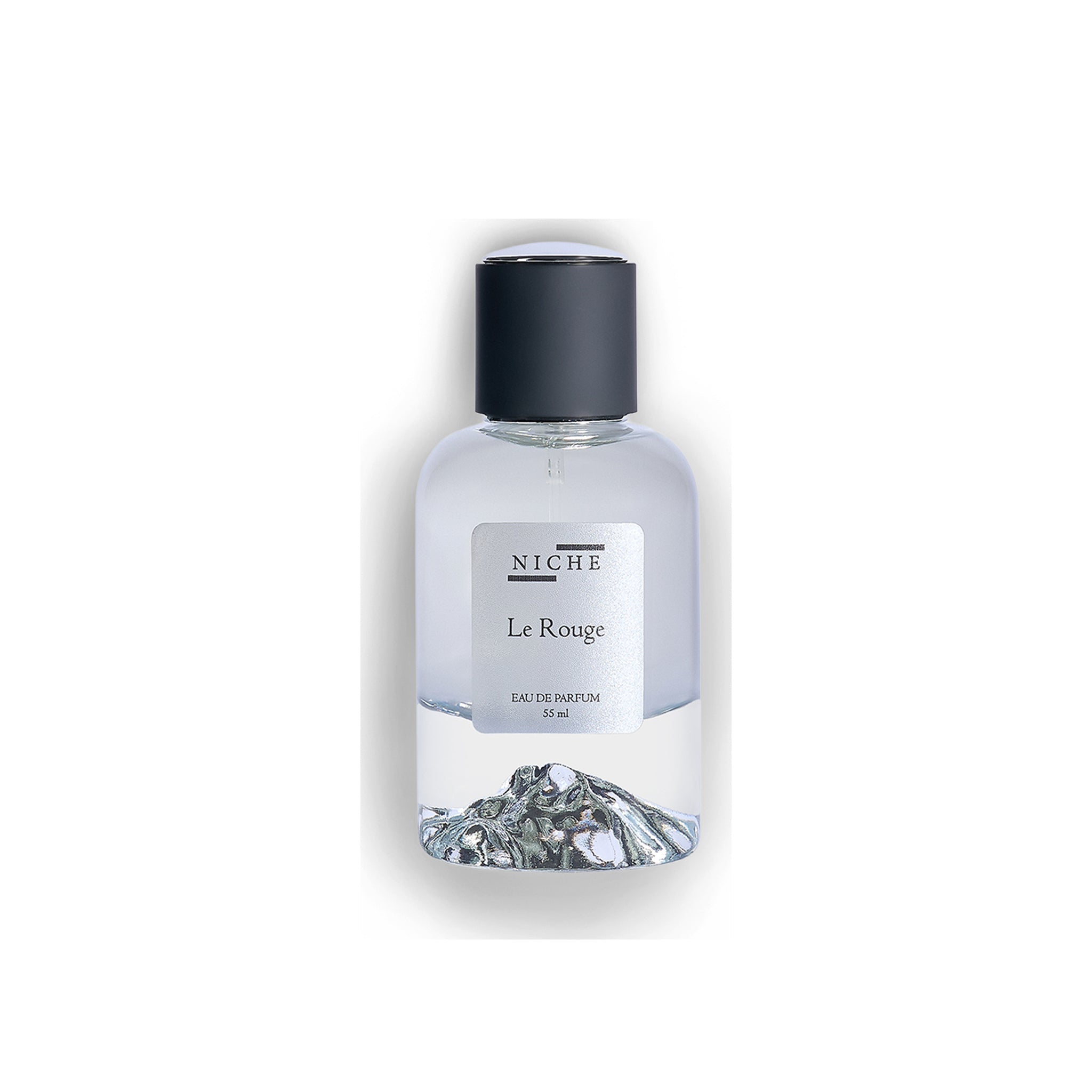
Unisex · Inspired by Maison Francis Kurkdjian Baccarat Rouge 540
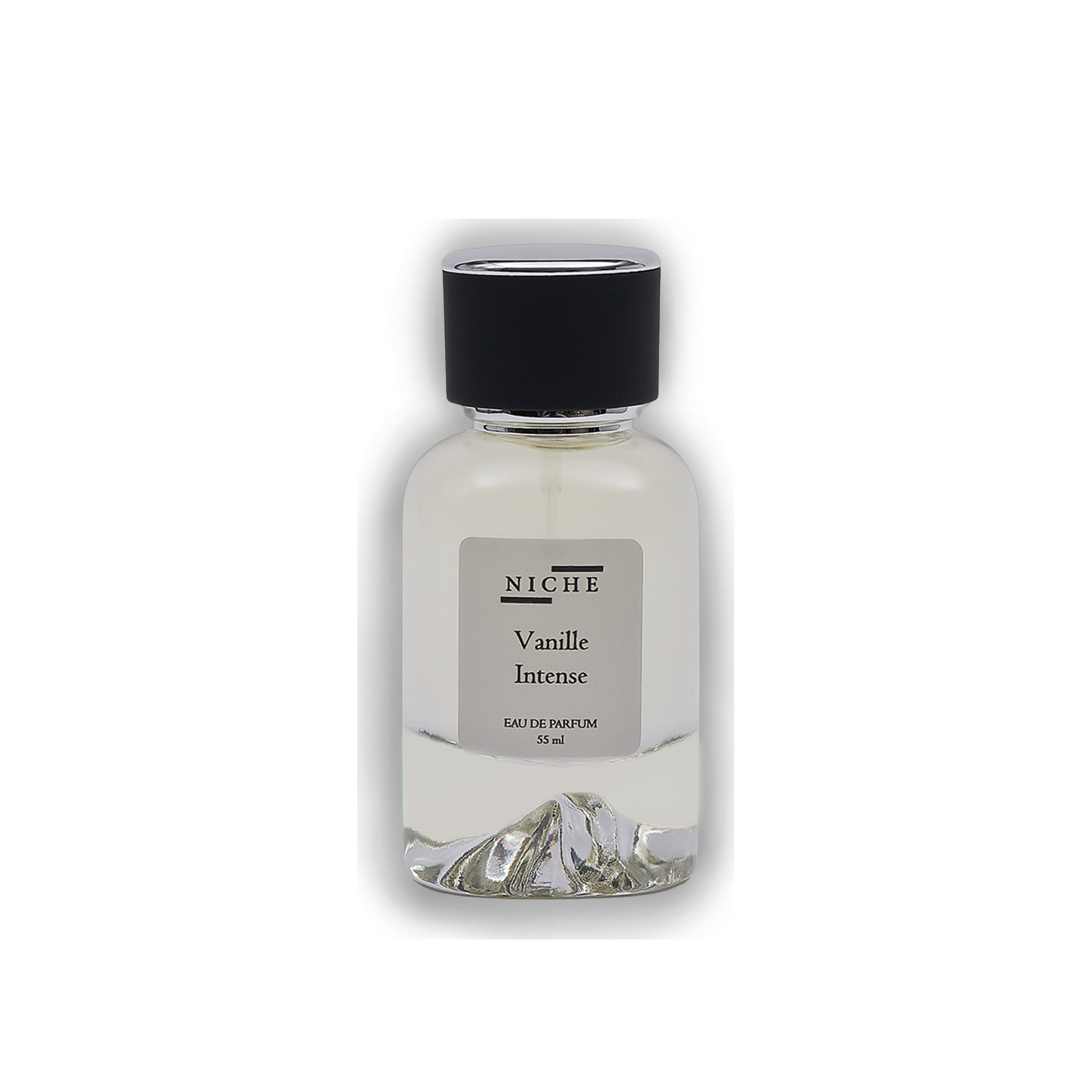
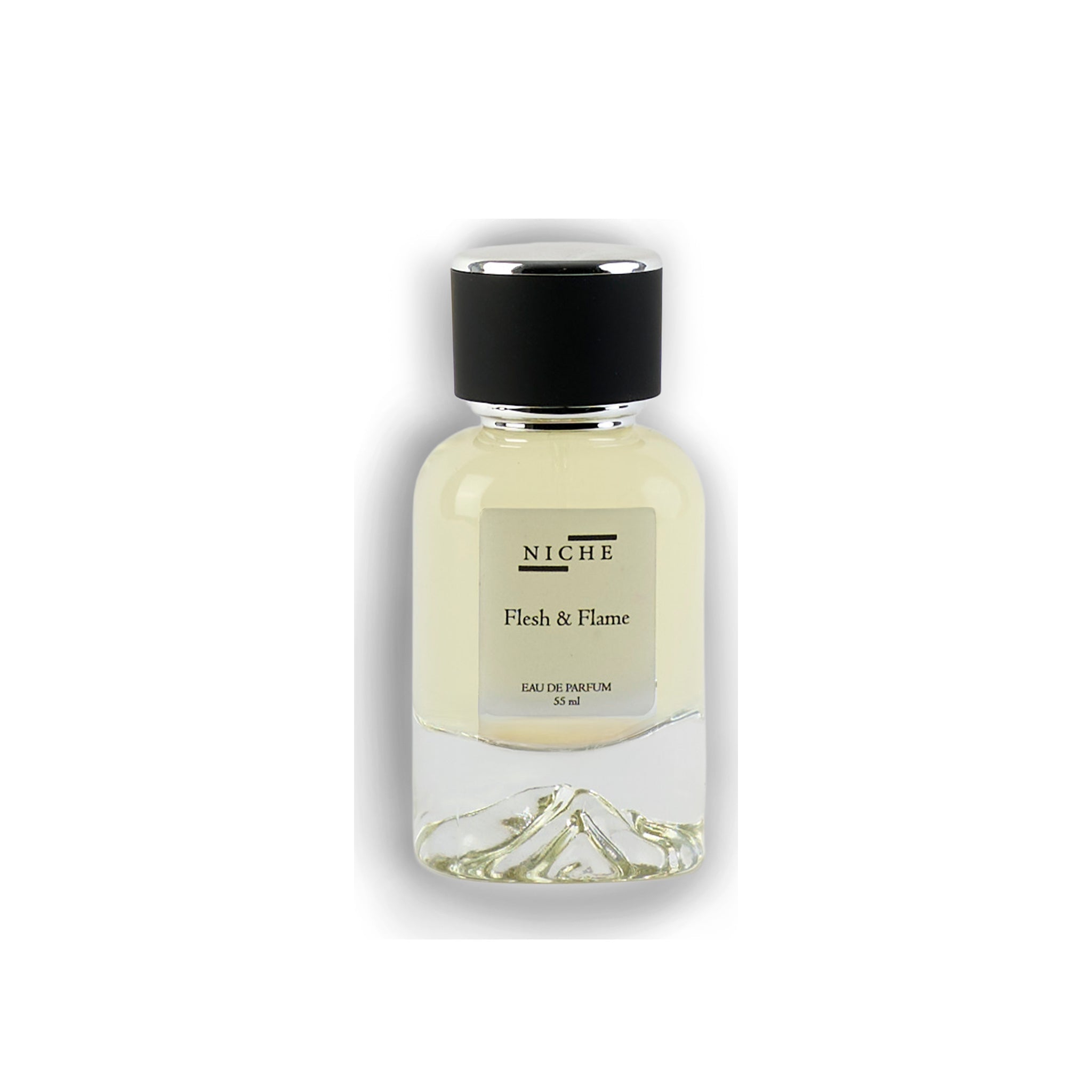
Unisex · Inspired by Stéphane Humbert Lucas 777 God of Fire
Unisex · Inspired by Maison Crivelli Oud Maracujá

The fragrance world continues to evolve rapidly, and 2026 is shaping up to be an exciting year for perfume lovers across the region. At Niche Essences, we closely follow emerging Perfume Trends to help fragrance enthusiasts discover exceptional scents that reflect both modern preferences and timeless Arabian heritage. From luxurious oud creations to innovative perfume oils, the Middle East fragrances remains one of the most influential fragrance markets in the world.
Women's fragrances in 2026 are moving toward sophisticated compositions that balance elegance, longevity, and individuality. Floral notes remain popular, but they are increasingly blended with gourmand accords, creamy vanilla, musk, and exotic woods.
Many female consumers are seeking fragrances that offer a unique signature rather than following mainstream releases. This shift is driving demand for niche perfumes that combine traditional Middle Eastern ingredients with contemporary perfumery techniques.
One of the strongest trends for women is the growing popularity of layered fragrances. Women are combining perfume oils with spray perfumes to create customized scent experiences. Rich notes such as rose, saffron, amber, and sandalwood continue to dominate premium fragrance collections.
Another notable Perfume Trends for women includes gender-neutral fragrances that blend floral and woody elements. These versatile scents offer sophistication while appealing to modern consumers who value individuality and creativity.
Men's fragrances in 2026 focus heavily on depth, refinement, and confidence. Modern masculine scents increasingly feature oud, leather, tobacco, amber, and spicy accords.
Consumers are moving away from overly fresh fragrances and embracing more complex scent profiles. Luxury perfume houses are introducing modern interpretations of classic Arabian ingredients, creating fragrances that feel both traditional and contemporary.
Among the most important Trends of Perfume 2026 are sustainability, personalization, and ingredient transparency. Consumers are becoming more conscious about fragrance quality and sourcing practices.
Niche fragrances continue to outperform mass-market perfumes, particularly in the Middle East where customers appreciate exclusivity and artistry. Another key development is the increased popularity of concentrated perfumes and perfume oils, which offer superior longevity and projection compared to traditional formulations.
The global fragrance industry is experiencing significant transformation, with Perfume Trends increasingly shaping consumer preferences and purchasing decisions. Premium and niche brands are gaining market share as consumers seek distinctive scent experiences that reflect individuality and exclusivity.
The demand for luxury fragrances continues to grow throughout the Middle East, driven by rising disposable income and a strong cultural appreciation for perfume. Among the leading trends of perfume are digital shopping experiences, virtual fragrance consultations, and exclusive online releases, all of which are becoming increasingly common.
Arabian perfumery represents centuries of fragrance craftsmanship and cultural heritage. Middle East Fragrances are distinguished by their use of rich natural ingredients, exceptional longevity, and complex scent structures, making them a major influence on global Perfume Trends.
Traditional Arabian perfumes often feature oud, rose, amber, saffron, musk, and incense. These ingredients create bold, luxurious fragrances that leave a lasting impression.
Male fragrance enthusiasts across the region gravitate toward bold and sophisticated scents. Middle East Fragrances for men commonly feature oud, leather, smoky woods, spices, and amber accords.
These fragrances are designed to project confidence and elegance while maintaining excellent longevity. Many modern men's fragrances combine traditional Arabian ingredients with international perfumery styles, resulting in highly versatile scent profiles suitable for both professional and social settings.
The best fragrances of the Middle East successfully balance tradition with innovation. Premium fragrances often incorporate high-quality oud, rose, ambergris-inspired accords, sandalwood, and musk.
Consumers typically seek fragrances that provide exceptional performance, distinctive character, and luxurious presentation. The region's leading perfumes are admired globally for their richness, depth, and remarkable staying power.
Many fragrance enthusiasts consider Middle East Fragrances among the most sophisticated and memorable perfumes available today due to their unique compositions and cultural significance.
Perfume oils have long been an essential part of Middle Eastern fragrance culture. Unlike alcohol-based sprays, perfume oils offer highly concentrated scent experiences with impressive longevity.
Middle Eastern perfume oil formulations are often applied directly to the skin, allowing the fragrance to develop naturally throughout the day. Popular ingredients include oud, amber, musk, rose, sandalwood, and exotic spices.
Consumers appreciate perfume oils for their richness, skin-friendly application, and ability to create intimate scent experiences. Their growing popularity reflects broader Perfume Trends favoring concentration and performance.
The best Middle East Fragrances successfully balance tradition with innovation, making them a key part of today's Perfume Trends. Premium fragrances often incorporate high-quality oud, rose, ambergris-inspired accords, sandalwood, and musk.
Consumers typically seek fragrances that provide exceptional performance, distinctive character, and luxurious presentation. These preferences continue to shape Perfume Trend across the region, where demand for exclusive and long-lasting scents remains strong.
Middle Eastern fragrances are perfumes inspired by the region's rich perfumery traditions, ingredients, and scent preferences. They are characterized by intense concentration, long-lasting performance, and the use of luxurious raw materials, making them a major influence on modern Perfume Trends.
Common ingredients include oud, rose, musk, amber, saffron, frankincense, and sandalwood. These perfumes often deliver deeper and more complex scent experiences compared to many Western fragrances, which is why they continue to shape global Perfume Trend.
The Middle East is home to numerous respected perfume houses known for their expertise in oriental perfumery. These brands specialize in creating luxurious fragrances that showcase the region's signature ingredients and traditions.
Many Middle Eastern perfume brands have achieved international recognition by combining authentic Arabian heritage with modern fragrance innovation. Their collections appeal to consumers seeking premium quality, exclusivity, and artistic craftsmanship.
As the fragrance landscape evolves, the Middle East remains at the forefront of innovation, luxury, and cultural influence. From sophisticated perfume oils to modern interpretations of traditional Arabian ingredients, the latest Perfume Trends and the growing popularity of Middle East Fragrances highlight a deeper appreciation for authenticity, craftsmanship, and individuality. At Niche Essences, we are proud to offer carefully selected Middle East Fragrances and niche perfumes that capture the essence of contemporary luxury while honoring the timeless traditions that define the world's most captivating scents.
Niche Essences
Luxury DNA — Fragrance Set for Her
Niche Essences
Winter Corporate — Fragrance Set for Him
Niche Essences
Date Night — Fragrance Set for Her
Niche Essences
Date Night — Fragrance Set for Him
Niche Essences
Gym — Fragrance Set for Him
Niche Essences
Corporate — Fragrance Set for Her
Niche Essences
Corporate — Fragrance Set for Him
Niche Essences
Seduction — Fragrance Set for Her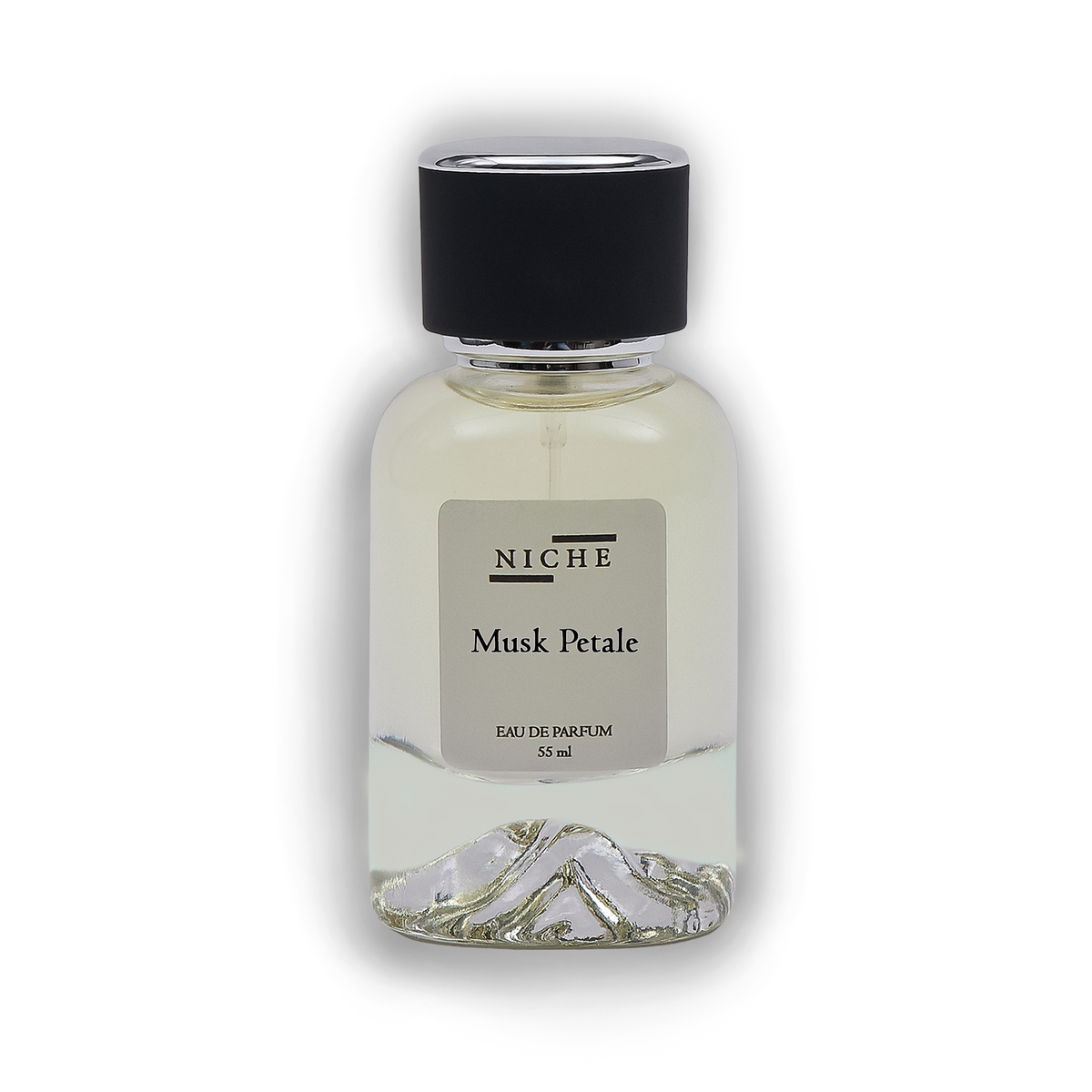
Shop Top 10 Women Perfumes in Egypt: Ultimate Buyer's Guide
Shop Top 10 Women Perfumes in Egypt: Ultimate Buyer's Guide At Niche Essence, fragrance is more than a beauty product, it is a reflection of personality, confidence, and timeless elegance. Every wo...
Read more
Affordable Luxury: Best Women Perfumes That Smell Expensive
Affordable Luxury: Best Women Perfumes That Smell Expensive Luxury is no longer defined only by high prices or prestigious brands, but by smart fragrance experiences. The growing popularity of Perf...
Read more