







Niche Essences
Luxury DNA — Fragrance Set for HerLE 2,257.00LE 2,670.00

Featured collection
Unisex · Inspired by Maison Francis Kurkdjian Baccarat Rouge 540
Unisex · Inspired by Stéphane Humbert Lucas 777 God of Fire
Unisex · Inspired by Maison Crivelli Oud Maracujá
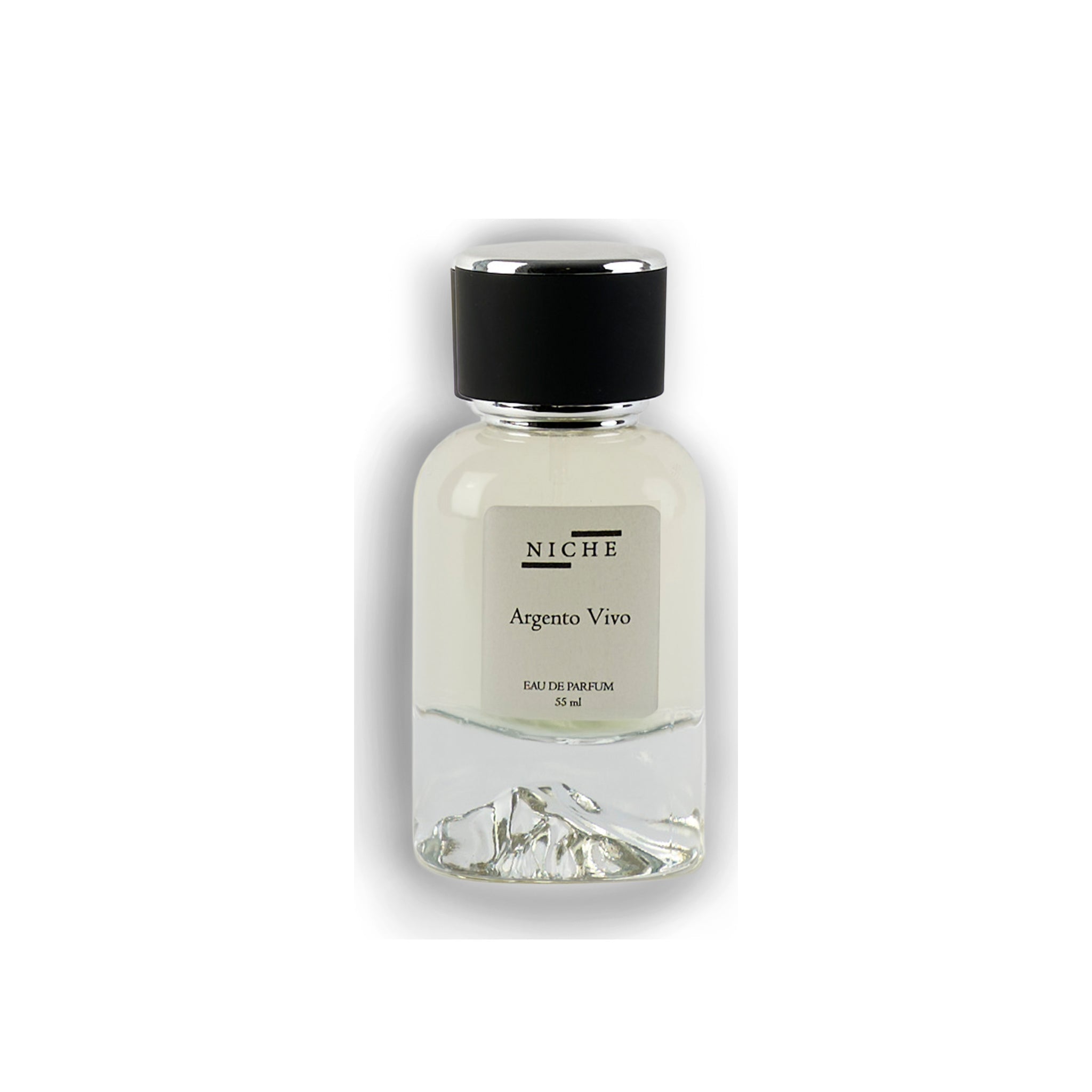
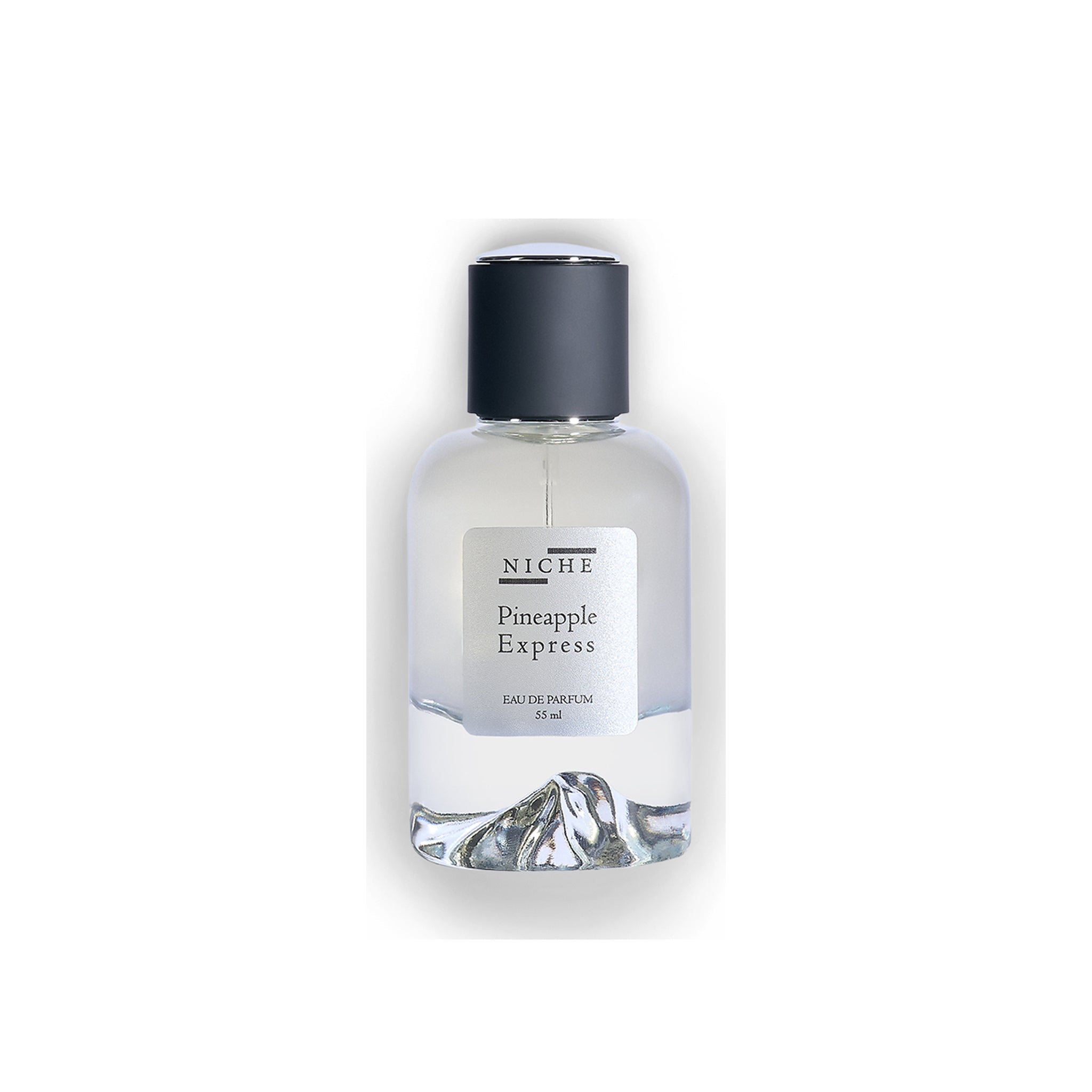
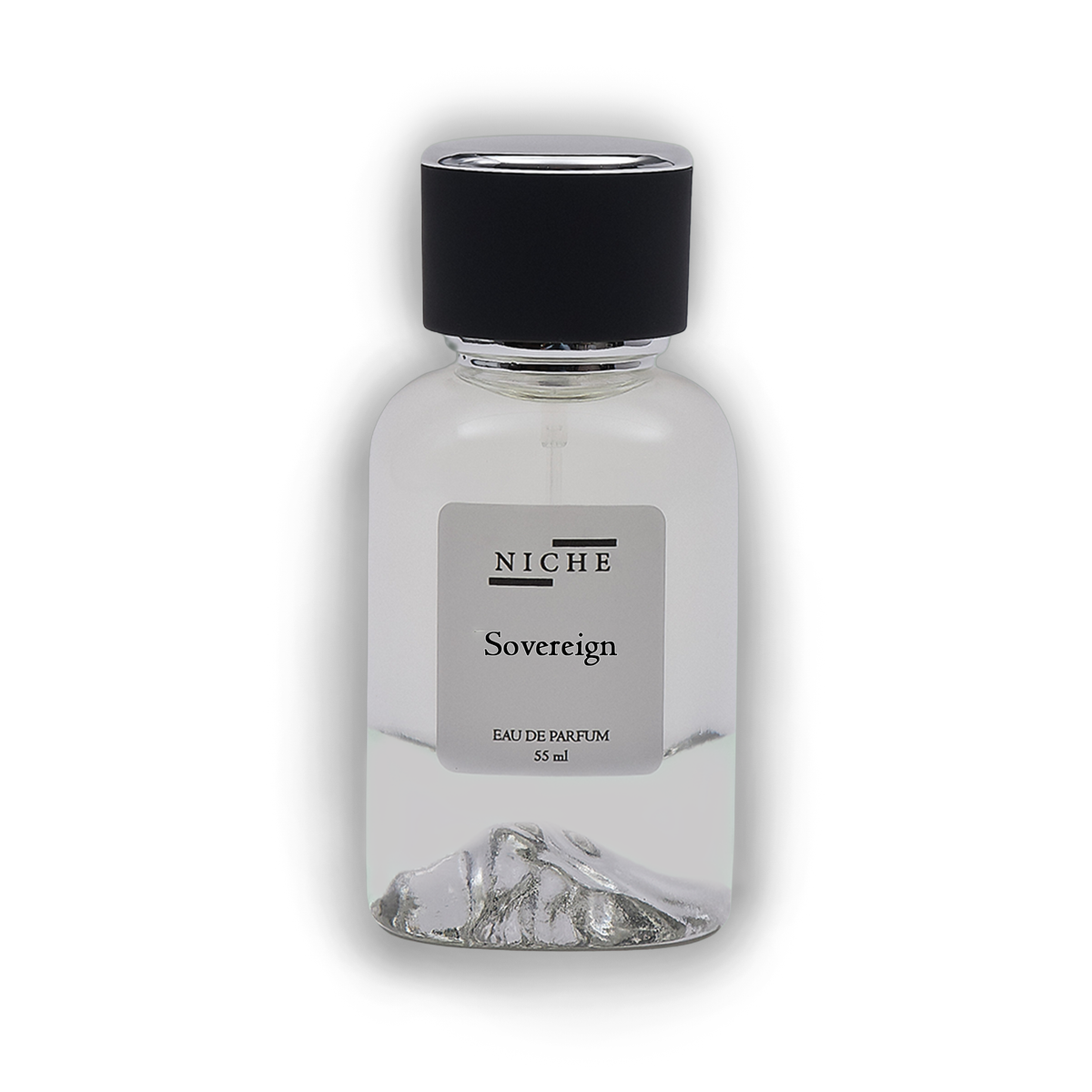
Perfume is more than just a pleasant scent; it is a carefully structured composition built on science, emotion, and artistry. Understanding how fragrance develops on the skin helps you choose the right scent and appreciate its complexity. In this guide for Niche Essences, we explore how fragrance notes work, how perfume evolves over time, and why Perfume layers matter in modern perfumery.
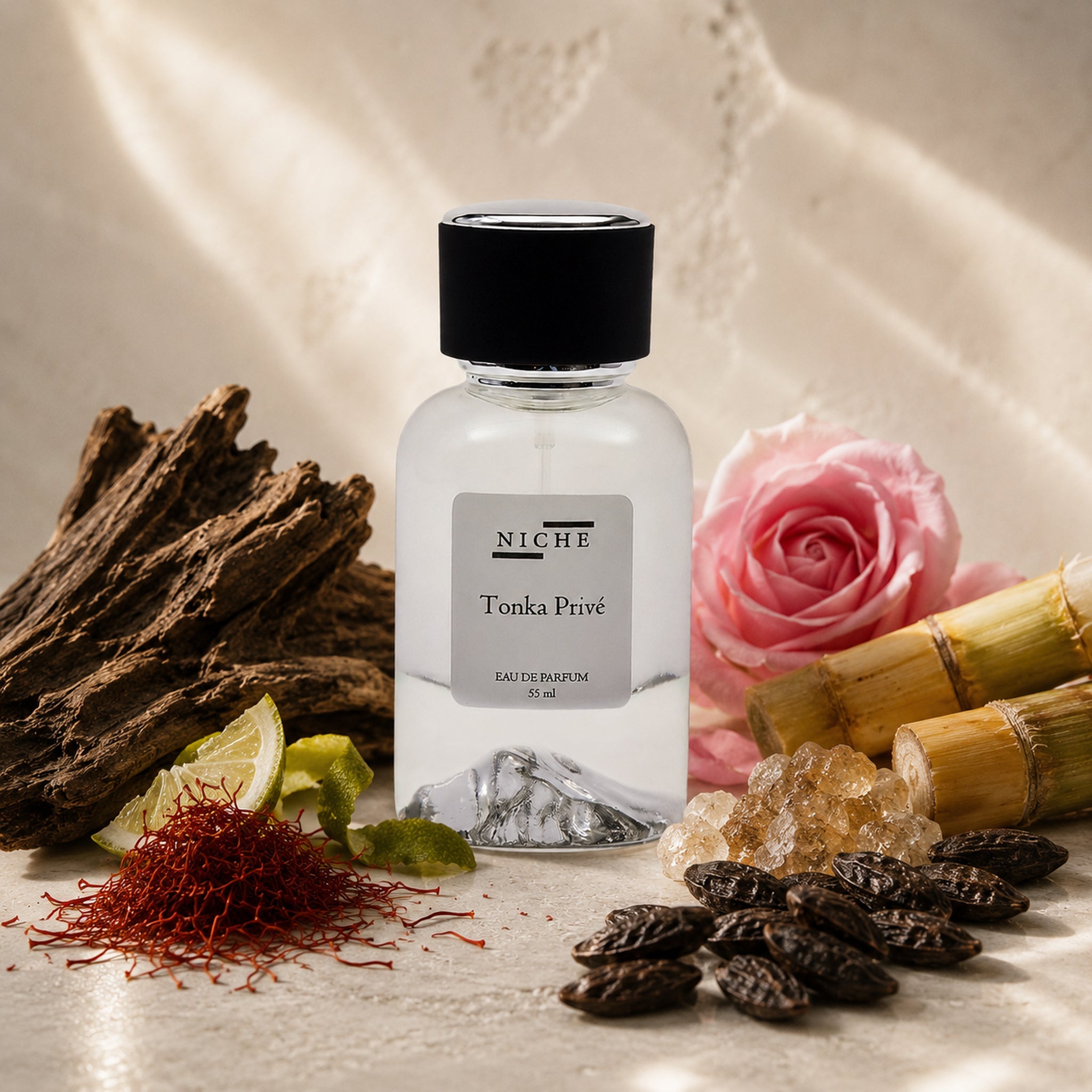
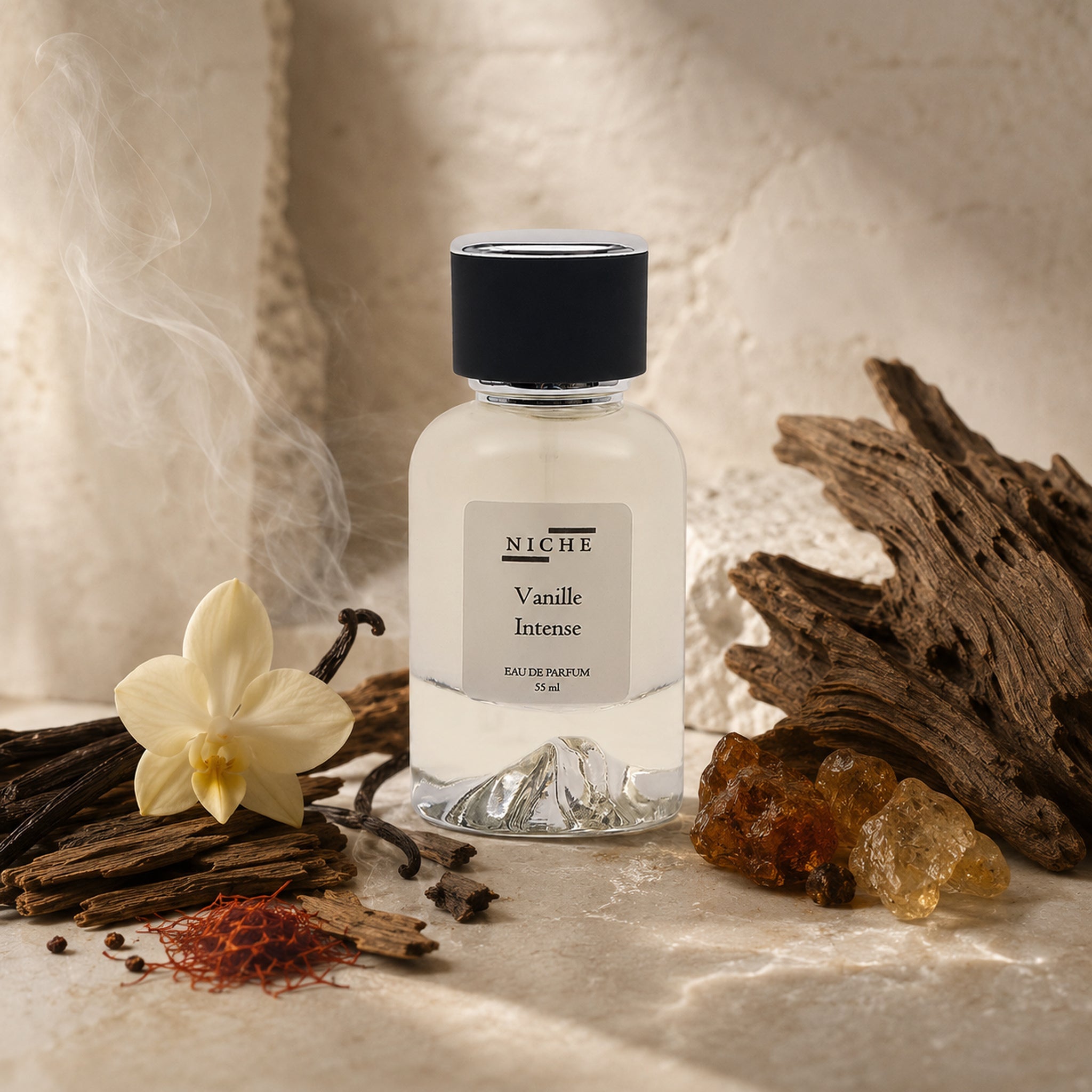
Fragrance note are the foundation of every perfume, and understanding them is essential to choosing the right scent. The term Fragrance note refers to the different stages of scent you experience after applying perfume. These notes are divided into top, heart, and base layers, and each one plays a unique role in how the fragrance develops on your skin. High-quality Fragrance note create a balanced scent that feels smooth and long-lasting.
The best Fragrance note are those that evolve naturally and harmoniously. Citrus and fresh notes often appear in the top layer, floral and spicy notes dominate the heart, while woody and musky tones form the base. This structure ensures that Perfume layers unfold gradually, creating a dynamic scent experience. When selecting a fragrance, always pay attention to how Fragrance notes transition over time.
A typical Fragrance note list includes a wide variety of scent families that define modern perfumery. These include citrus, floral, fruity, spicy, woody, amber, and musky notes.
Citrus notes like bergamot and lemon create freshness at the top, while floral notes such as rose and jasmine add softness to the heart. Woody notes like sandalwood and cedar provide depth in the base. A well-balanced Fragrance note structure ensures smooth Perfume layers that feel natural and long-lasting on the skin.
Understanding a Fragrance note list helps users identify their preferred scent profile. Whether you prefer fresh, sweet, or deep aromas, knowing the Fragrance note helps you make better choices.
A Fragrance note chart visually represents how perfumes evolve from top to base notes. It is an essential tool for understanding how Fragrance note develop over time. The chart typically shows the top notes as the first impression, the heart notes as the core identity, and the base notes as the lasting memory.
Using a Fragrance note chart helps perfume lovers predict how a scent will behave on their skin. It also highlights how Perfume layers interact, ensuring a smoother fragrance experience. The chart simplifies complex compositions and makes it easier to compare different perfumes based on their Fragrance notes structure.
A layer of perfume chart explains how fragrance evolves in stages after application. It is closely linked to Fragrance note and helps users understand how scents transition over time. The top layer is the most volatile, followed by the heart layer, and finally the long-lasting base layer.
Each layer plays a role in shaping the overall perfume experience. A strong layer of perfume structure ensures that the scent remains interesting and dynamic throughout the day. By studying a layer of perfume chart, users can better understand how Fragrance note interact and evolve on the skin.
The Best layer of perfume are those that create harmony between freshness, depth, and longevity. A well-constructed fragrance balances top, heart, and base layers to ensure a smooth transition.
Fragrance notes play a key role in determining the quality of Perfume layers. When blended correctly, they create a scent that feels natural and sophisticated. The best perfumes often use carefully selected Fragrance notes to enhance each layer and create a lasting impression.
Perfume layering combinations 2026 are becoming increasingly popular as people look for personalized scent experiences. Layering allows users to mix different perfumes to create unique Fragrance notes profiles that reflect their personality.
Modern Perfume layers techniques involve combining light and heavy scents to achieve balance. For example, pairing citrus-based fragrances with woody bases can create a refreshing yet deep aroma. Experimenting with Fragrance notes through layering helps create signature scents that stand out.
Understanding layer of perfume is essential when exploring layering combinations. The right mix ensures that Fragrance notes do not clash but instead complement each other, creating a smooth and appealing scent journey.
Layering cologne is a growing trend, but it requires understanding how Fragrance notes interact. When done correctly, layering can enhance the complexity and longevity of a scent. However, improper layering may lead to overpowering or conflicting Perfume layers.
The key is to choose colognes with compatible Fragrance notes. Light citrus scents can be layered with woody or musky bases to create depth. Understanding layer of perfume helps ensure that each fragrance complements rather than competes with the other.
Fragrance notes are the building blocks of any perfume. They are divided into top, heart, and base categories, each representing a different stage of scent development. Top Fragrance notes are the first impression, heart notes form the core, and base notes provide lasting depth.
These Fragrance notes work together to create a complete scent experience. Without proper balance, Perfume layers would not evolve smoothly or last long on the skin. Understanding this structure is essential for choosing the right fragrance.
The 4 main perfume scent families are floral, woody, oriental, and fresh. Each category contains multiple Fragrance notes that define the overall character of a perfume.
Floral scents are soft and romantic, woody scents are warm and earthy, oriental scents are rich and spicy, and fresh scents are light and energetic. These categories form the foundation of Perfume layers and help users understand different fragrance styles.
By combining these scent families, perfumers create complex Fragrance notes structures that result in unique and memorable fragrances.
Understanding Fragrance notes and how they shape Perfume layers is essential for choosing the right scent and appreciating the art of perfumery. From top to base, every layer contributes to the final experience, making fragrance a journey rather than just a scent. At Niche Essences, we believe that mastering Fragrance notes allows you to explore perfumes on a deeper, more personal level.
Niche Essences
Luxury DNA — Fragrance Set for Her
Niche Essences
Winter Corporate — Fragrance Set for Him
Niche Essences
Date Night — Fragrance Set for Her
Niche Essences
Date Night — Fragrance Set for Him
Niche Essences
Gym — Fragrance Set for Him
Niche Essences
Corporate — Fragrance Set for Her
Niche Essences
Corporate — Fragrance Set for Him
Niche Essences
Seduction — Fragrance Set for Her
Bleu de Chanel vs Sauvage: Which One Should You Buy Online?
Bleu de Chanel vs Sauvage: Which One Should You Buy Online? Selecting a signature scent is a deeply personal experience, particularly when weighing the decision between two of the world’s most famo...
Read more
Body Splash vs. Perfume: Which One is More Long-lasting?
Body Splash vs. Perfume: Which One is More Long-lasting? Welcome to Niche Essences, your guide to understanding fragrance choices that truly match your lifestyle. In today’s world of personal care,...
Read more